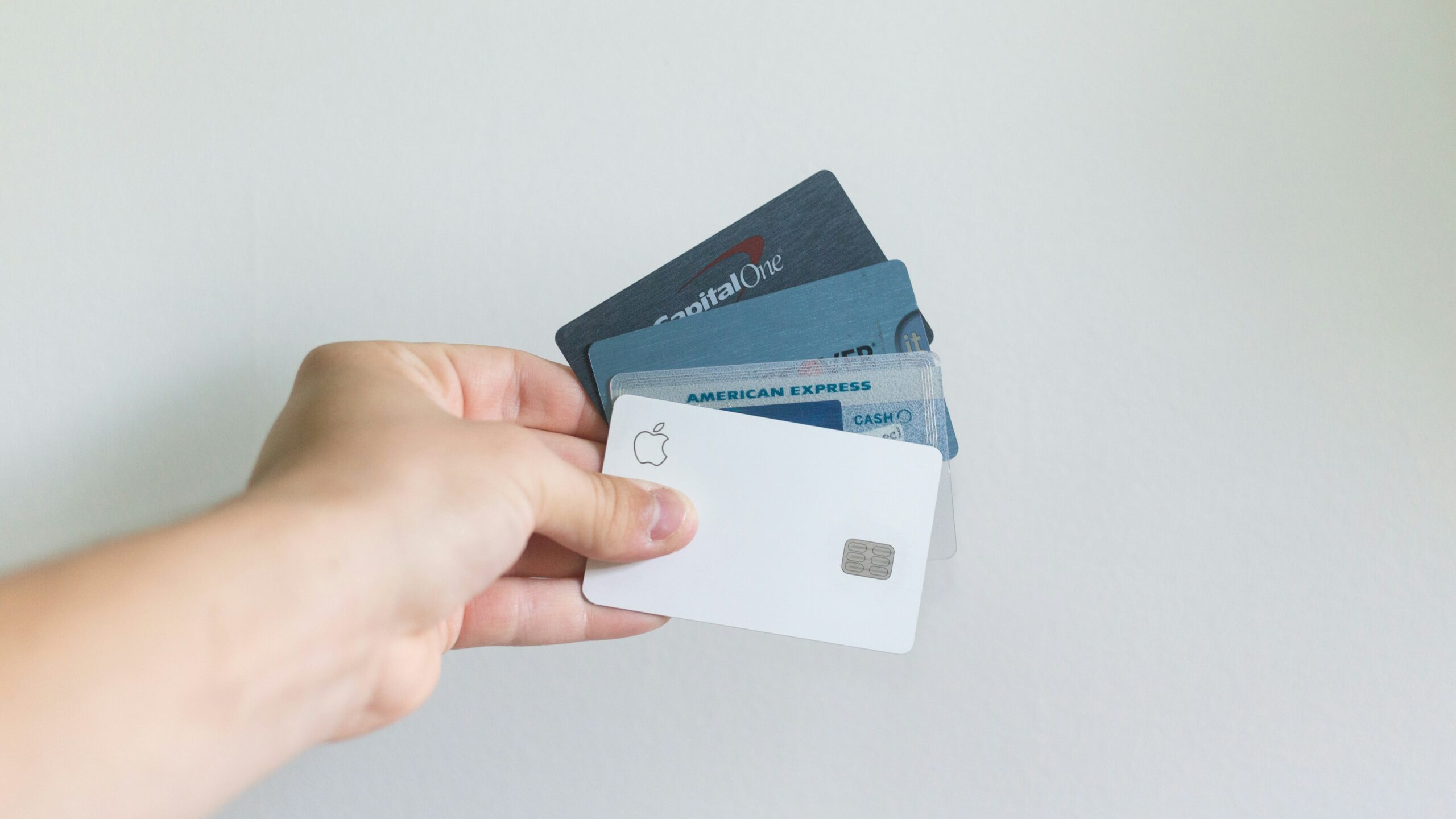
1. Types of Credit Cards and Their Benefits
Credit cards come in various types, each designed to suit different spending habits and financial goals:
- Rewards Cards: Offer points, cashback, or miles for every dollar spent. Great for everyday purchases if you want to earn rewards.
- Balance Transfer Cards: Allow you to transfer balances from high-interest cards to a card with a lower or 0% interest rate, which can help you save on interest.
- Low-Interest Cards: Feature a lower APR (annual percentage rate), ideal for carrying a balance without paying high interest.
- Secured Cards: Require a cash deposit as collateral, making them suitable for building or rebuilding credit.
- Travel Cards: Earn rewards on travel-related expenses and often offer perks like airport lounge access or no foreign transaction fees.
2. How to Find the Best Credit Card Offers
To find the best credit card offers, consider these steps:
- Compare Online: Use comparison sites like NerdWallet, Bankrate, or Credit Karma to view various credit card offers side by side.
- Look for Sign-Up Bonuses: Many cards offer sign-up bonuses when you spend a certain amount within the first few months. These bonuses can be worth hundreds of dollars in points, cashback, or travel rewards.
- Check for Introductory Rates: Look for cards with 0% introductory APR on purchases or balance transfers if you plan to carry a balance temporarily.
- Pay Attention to Annual Fees: Some premium rewards cards charge annual fees, but they can be worth it if the benefits outweigh the cost. Look for cards with no annual fee if you prefer to avoid additional expenses.
- Consider Your Spending Habits: Choose a card that offers rewards or benefits in categories where you spend the most, such as groceries, gas, travel, or dining.
Pro Tip: If you’re interested in a particular credit card, check the issuer’s website for exclusive offers, which may not always appear on comparison sites.
3. What to Consider When Choosing a Credit Card
Choosing the right credit card depends on your financial goals and how you plan to use the card. Here are some factors to consider:
- Interest Rates: If you carry a balance, prioritize a card with a low APR to minimize interest costs. For those who pay off their balance monthly, the APR is less of a concern.
- Credit Score Requirements: Some cards require excellent credit, while others are designed for those with fair or poor credit. Check your credit score before applying to ensure you’re eligible.
- Rewards Structure: Evaluate how you earn rewards and whether they align with your spending. Cashback cards, for instance, may be better for everyday purchases, while travel cards are great for frequent travelers.
- Additional Perks: Look for benefits like purchase protection, extended warranties, or access to exclusive events. Many travel cards also offer perks like travel insurance and rental car coverage.
4. Tips for Using Credit Cards Responsibly
Credit cards can be a valuable tool for managing finances, but it’s essential to use them responsibly. Here are some tips to help you avoid debt and build good credit:
- Pay Your Balance in Full: Whenever possible, pay off your balance each month to avoid interest charges. This practice also helps improve your credit score.
- Keep Your Credit Utilization Low: Aim to use less than 30% of your available credit limit. High credit utilization can negatively impact your credit score.
- Set Up Automatic Payments: To avoid missing a payment, set up automatic payments for at least the minimum amount due. Late payments can hurt your credit and result in fees.
- Monitor Your Statements: Regularly review your statements to ensure all charges are accurate and identify any unauthorized transactions.
- Avoid Applying for Too Many Cards at Once: Each credit application results in a hard inquiry on your credit report, which can temporarily lower your score.
Pro Tip: If you have multiple credit cards, prioritize paying off the cards with the highest interest rates first to minimize interest costs over time.
5. FAQs About Credit Cards
Q: Can I get a credit card with no credit history? A: Yes, secured credit cards or student credit cards are designed for those with limited or no credit history. These cards help you build credit when used responsibly.
Q: What should I do if I miss a payment? A: Contact your card issuer as soon as possible. They may waive late fees or help you set up a payment plan. Make sure to bring your account current to avoid damage to your credit score.
Q: Is it better to have a credit card with no annual fee? A: It depends on your spending habits and goals. Cards with annual fees often offer better rewards and benefits, so consider whether the perks justify the fee.
6. Final Tips for Choosing the Right Credit Card
- Review Your Options: Take the time to compare multiple cards to find the one that best fits your needs and financial situation.
- Read the Fine Print: Always read the terms and conditions to understand fees, interest rates, and rewards expiration policies.
- Use Rewards Wisely: Redeem your rewards strategically to maximize value. For example, travel rewards can be worth more when redeemed for flights or hotels than as statement credits.
By understanding your financial goals and shopping around for the best offers, you can choose a credit card that provides valuable rewards and helps you build a strong financial foundation.