What Is Retail Shrinkage—And Why Should You Care?
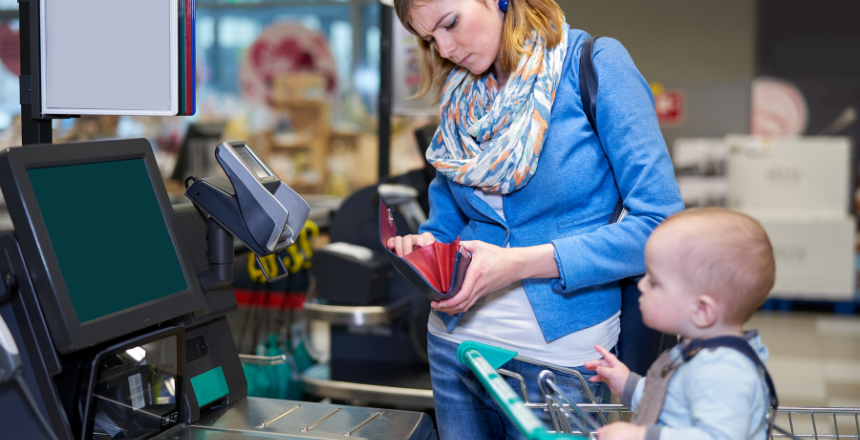
Retail shrinkage sounds like some technical term that only managers worry about, but it’s directly tied to your shopping experience. When products disappear from the shelves without being paid for, stores lose money. To cover those losses, prices often go up. So even if you’re not the one taking anything, the ripple effect still hits your budget. Shoplifting and retail prices go hand in hand—and more shrink means more expensive trips to the store.
Self-Checkout Theft: A Growing Problem
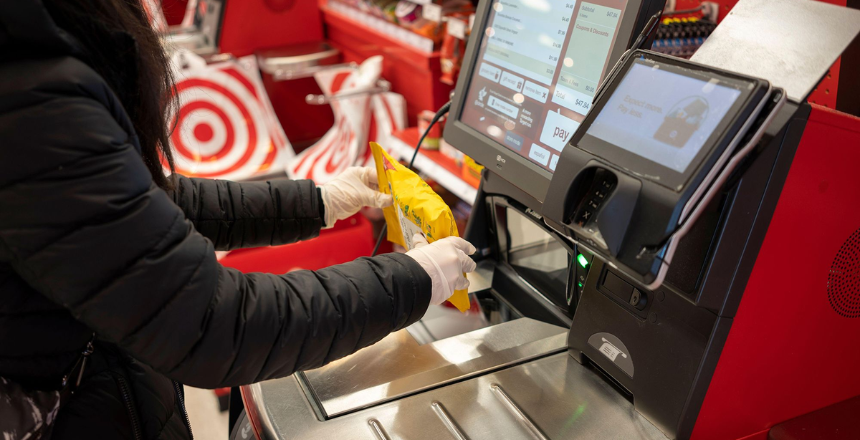
Self-checkout was supposed to be all about speed and convenience. Scan your stuff, bag it up, and be out the door. But it’s also opened the door to a different issue: self-checkout theft. Some folks skip scanning items. Others use tricks to fool the system. As a result, retailers are changing the rules. Walmart self-checkout changes include limiting who can use it or requiring approval before you finish. Target is removing self-checkout altogether in certain locations. These changes are aimed at stopping loss before it adds up.
How Retail Loss Prevention Strategies Impact You
Behind the scenes, stores are doubling down on retail loss prevention strategies. That could mean locking up certain high-risk products, hiring more staff for floor presence, or rethinking how items are displayed. It’s all tied to keeping retail shrinkage under control. When stores can reduce theft, they don’t need to raise prices as often. So, while some of these changes might feel annoying at first, they’re designed to protect your wallet in the long run.
Why Stores Like Walmart And Target Are Making Big Changes
Stores aren’t just reacting—they’re making major adjustments to how you check out and move through the store. Target removing self-checkout and Walmart’s new restrictions are just part of it. You’re also going to see more in-store security measures, like extra staff, new cameras, and checkout monitors. It’s all designed to keep things under control and reduce chaos in high-theft locations. If you’ve felt like stores are paying closer attention lately, you’re right—they are.
What You Can Expect As A Shopper
Next time you shop, don’t be surprised if the layout feels different. Your usual self-checkout station might be closed, or you might need help from an associate to finish paying. More stores are investing in new systems that monitor transactions in real-time or track trends in theft. You might need to wait a little longer in line, but in return, the environment will likely feel a bit more secure. These checkout options are evolving fast—and what used to be a quick in-and-out process is being replaced by something a little more controlled.
Checkouts, Changes, And Consequences
The way you shop is changing, and it’s all connected to the fight against retail shrinkage. From limits on self-checkout to stronger in-store security measures, retailers are adjusting fast. It might take a bit more time at checkout, but the goal is a safer, more stable shopping experience—for everyone.