1. What Are Prefabricated Homes?
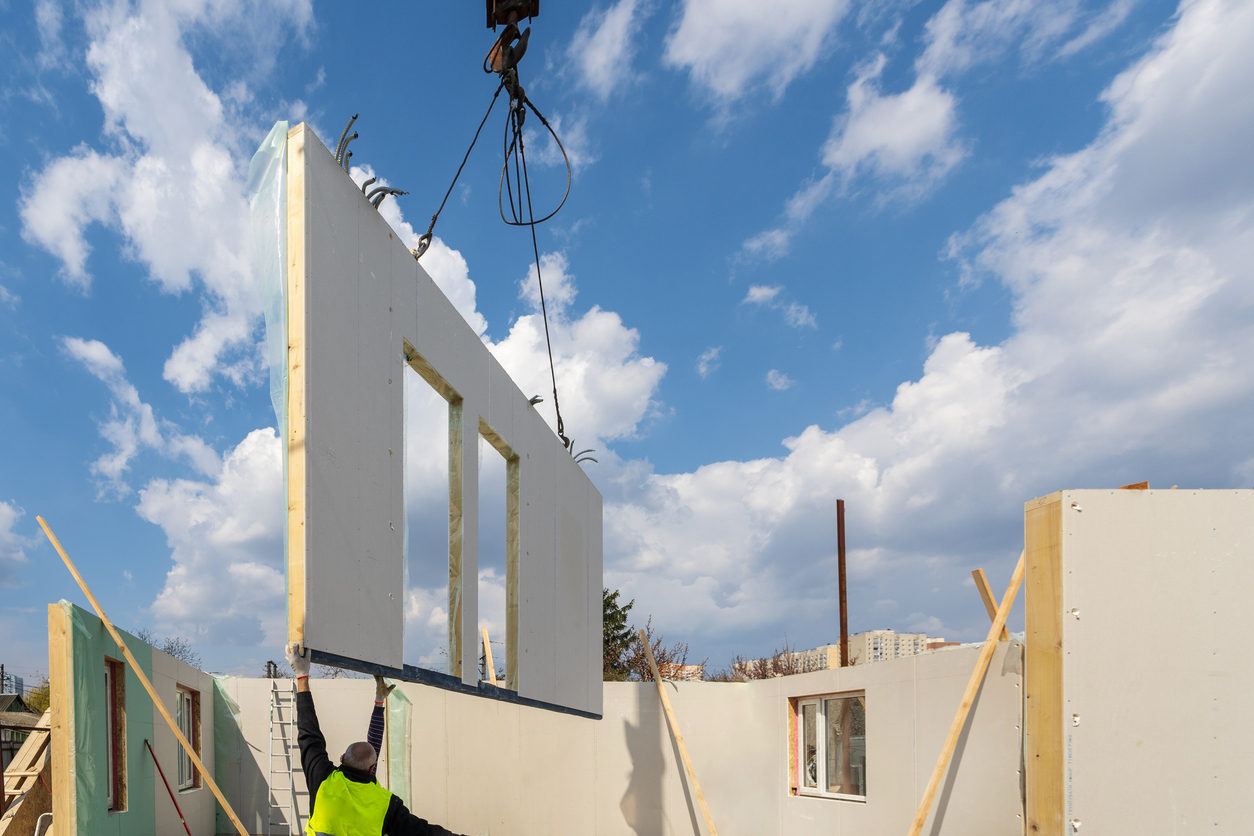
Prefabricated homes are dwellings constructed off-site in a factory-controlled environment, with sections or modules then transported to the final location for assembly. This method of construction allows for greater control over building conditions and significantly reduces on-site construction time. Prefab homes can be designed to look like traditional houses or feature modern, sleek designs.
Types of prefabricated homes include:
- Modular Homes: Built in sections (modules) that are assembled on-site, offering flexibility in design and layout.
- Panelized Homes: Walls, floors, and roof panels are constructed in a factory and then assembled on-site, similar to traditional homes.
- Manufactured Homes: Built entirely in a factory on a permanent chassis and transported to the site, often associated with mobile homes.
- Kit Homes: Pre-cut pieces and materials are shipped to the site, where homeowners or contractors assemble the home.
Choosing the right type of prefab home depends on your budget, timeline, and preferences for design and customization.
2. Benefits of Prefabricated Homes
Prefab homes offer numerous advantages over traditional construction methods, making them a popular choice for those seeking efficiency and cost savings. Key benefits include:
- Faster Construction: Since prefab homes are built in a factory, construction time is shorter and less affected by weather delays.
- Cost-Effective: Prefab homes are often more affordable than traditional homes, with savings on labor and materials. Factory-controlled production reduces waste and costs.
- Energy Efficiency: Many prefab homes are built with energy-efficient materials and features, making them more environmentally friendly and cost-effective in the long run.
- Quality Control: Factory construction ensures consistent quality and building standards, reducing the risk of defects or construction issues.
- Customizable Designs: Prefab homes can be customized to meet personal preferences and needs, from floor plans to finishes and materials.
For those looking for a quick, affordable, and customizable housing solution, prefab homes offer an ideal alternative.
3. Cost of Prefabricated Homes
The cost of prefab homes varies based on the type of home, size, location, and customization options. Here’s a general idea of what you can expect:
- Modular Homes: Prices range from $100 to $200 per square foot, depending on design and finishes, with most modular homes costing between $120,000 and $270,000.
- Panelized Homes: Typically range from $50 to $150 per square foot, often totaling between $100,000 and $250,000, depending on size and features.
- Manufactured Homes: The most affordable option, ranging from $40 to $100 per square foot, with an average total cost between $60,000 and $120,000.
- Kit Homes: Prices vary widely, from $20,000 for basic kits to over $150,000 for larger, more complex designs.
It’s essential to consider additional costs like land purchase, permits, transportation, and site preparation when budgeting for a prefab home.
4. What to Consider When Buying a Prefabricated Home
When purchasing a prefab home, several factors can impact your experience and satisfaction with the final product:
- Land Requirements: Ensure you have a suitable plot of land that meets local zoning regulations for prefab homes. Check for any restrictions or building codes specific to prefabricated structures.
- Financing Options: While financing for prefab homes is available, it may differ from traditional mortgage options. Shop around for lenders experienced in prefab home financing.
- Customization Needs: Decide on the level of customization you want. Modular and panelized homes often allow for more customization compared to manufactured or kit homes.
- Installation and Assembly: Research the logistics of transporting and assembling the home on-site. You’ll need experienced contractors or builders for proper installation, especially for modular and panelized homes.
- Resale Value: While prefab homes can hold their value, resale value may vary depending on location, design, and type. Consider the long-term investment before making a decision.
Pro Tip: Work with a reputable prefab home manufacturer who provides transparency about costs, timelines, and construction processes to avoid surprises.
5. FAQs About Prefabricated Homes
Q: Are prefab homes as durable as traditional homes? A: Yes, prefab homes are built to meet or exceed local building codes and are often as durable as traditionally constructed homes. Factory-built components may even enhance durability due to controlled manufacturing conditions.
Q: How long does it take to build a prefab home? A: The construction of the home itself typically takes a few weeks to a few months, depending on complexity. However, you should factor in additional time for site preparation and installation, which can add several weeks.
Q: Can prefab homes be customized? A: Absolutely. While the level of customization depends on the type, most prefab homes offer options for layout, finishes, and materials. Modular homes, in particular, allow for extensive customization.
6. Final Tips for Buying a Prefab Home
- Research Manufacturers: Choose a reputable manufacturer with experience and positive customer reviews to ensure quality and reliability.
- Plan for Permits and Inspections: Understand local building codes and regulations for prefab homes, as they can vary by location.
- Consider Long-Term Savings: Prefab homes are often energy-efficient, which can save you money on utility bills over time. Look for models with energy certifications to maximize savings.
- Think About Future Resale: If resale value is a concern, consider selecting a design and location that will appeal to future buyers.
Prefabricated homes offer a unique blend of affordability, customization, and efficiency. With the right planning and research, you can find a prefab home that suits your lifestyle and budget, providing a comfortable and sustainable living space for years to come.