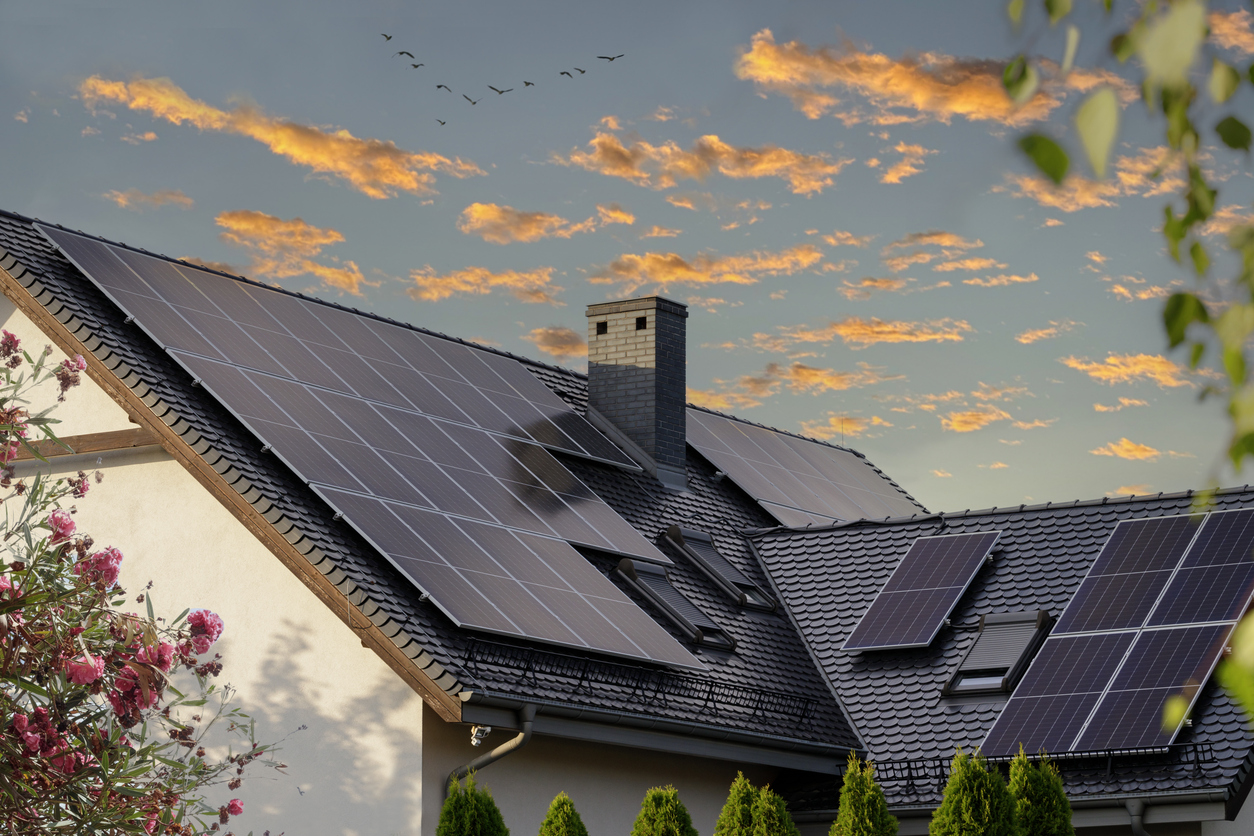
1. What Are Solar Panels?
Solar panels convert sunlight into electricity, providing a renewable energy source that can power homes, businesses, or even entire buildings. Solar panels are composed of photovoltaic (PV) cells, which capture sunlight and transform it into direct current (DC) electricity. This energy is then converted into alternating current (AC) power, which is the type of electricity used in homes and businesses.
Solar panels can be installed on rooftops or open land, and their size and number depend on the energy needs of the property. With advances in solar technology, many people are now adopting solar systems to reduce reliance on the grid and lower energy costs.
2. Benefits of Installing Solar Panels
Installing solar panels comes with numerous benefits, making it an attractive investment for many homeowners and businesses:
- Reduced Energy Bills: Solar panels generate free electricity once installed, significantly reducing or even eliminating your electricity bill.
- Environmentally Friendly: Solar energy is a clean, renewable power source that reduces reliance on fossil fuels and cuts down greenhouse gas emissions.
- Increase in Property Value: Homes with solar panels often see an increase in property value, as buyers are attracted to the savings and sustainability.
- Tax Incentives: Many governments offer tax credits, rebates, or other financial incentives to encourage solar adoption, further reducing the cost of installation.
- Energy Independence: Solar systems can provide a reliable energy source, even during power outages, especially when paired with battery storage.
3. How to Find the Best Deals on Solar Panels
When it comes to finding the best offers on solar panels, timing and research are key. Here are some strategies to help you get the best deals:
- Look for Government Incentives: In many countries, governments offer subsidies, tax credits, or rebates for installing solar panels. In the U.S., the federal solar tax credit (ITC) allows homeowners to deduct a percentage of the cost of installing a solar energy system from their federal taxes. Research what incentives are available in your region to significantly lower the upfront cost.
- Get Multiple Quotes: Always shop around and compare quotes from different solar installation companies. This will give you a better understanding of pricing and help you identify the best value for your money.
- Consider Group Purchasing Programs: Some communities offer group purchasing programs, where several homeowners pool their buying power to get bulk discounts from solar installers.
- Buy Direct from Manufacturers: In some cases, buying solar panels directly from manufacturers can save you money by cutting out the middleman. Look for reputable solar panel brands that offer competitive pricing.
- Lease or Finance: If the upfront cost of solar panels is too high, consider leasing the system or financing it through a solar loan. Many solar companies offer affordable payment plans that spread out the cost over several years, allowing you to pay for the system with the savings from your energy bills.
4. What Makes a Solar Panel High-Quality?
Not all solar panels are created equal, and understanding what makes a high-quality solar panel can help you make a smarter investment. Key factors to consider include:
- Efficiency: Solar panel efficiency refers to how well a panel converts sunlight into electricity. Higher efficiency means more energy production in a smaller space. Look for panels with an efficiency rate of 18% or higher.
- Durability: Solar panels are designed to last for decades, but durability is essential. Panels should be able to withstand harsh weather conditions, including wind, rain, and snow. Choose panels that are backed by warranties of 25 years or more.
- Warranty: A good warranty is a sign of a high-quality solar panel. Look for panels that come with a long-term product warranty (at least 10-25 years) and a performance warranty that guarantees the panels will still produce a certain percentage of their original output after 25 years.
- Temperature Coefficient: This measures how well a solar panel performs in high temperatures. Since solar panels can lose efficiency in extreme heat, a lower temperature coefficient is better.
- Reputation of Manufacturer: Choose panels from well-established, reputable manufacturers that have been in the solar industry for years. Companies like SunPower, LG, and Panasonic are known for producing high-quality, reliable panels.
5. Types of Solar Panels
There are three main types of solar panels available, each with its own advantages and drawbacks:
- Monocrystalline Panels: Known for their high efficiency and sleek appearance, monocrystalline panels are made from single silicon crystals. They are typically more expensive but offer better performance, especially in limited space.
- Polycrystalline Panels: These panels are made from multiple silicon crystals and are generally less efficient than monocrystalline panels. However, they are more affordable, making them a popular choice for budget-conscious buyers.
- Thin-Film Panels: Thin-film solar panels are lightweight and flexible, making them suitable for unique applications like portable solar setups or irregular surfaces. However, they have lower efficiency and are not as durable as crystalline panels.
6. FAQs About Solar Panels
Q: How long do solar panels last? A: Most solar panels have a lifespan of 25 to 30 years. High-quality panels come with warranties that guarantee performance for 25 years or more, ensuring long-term energy savings.
Q: How much can I save by installing solar panels? A: Savings vary based on location, energy usage, and system size. On average, homeowners can save anywhere from $10,000 to $30,000 over the lifetime of the solar system by reducing or eliminating electricity bills.
Q: Do solar panels work in cloudy weather? A: Yes, solar panels can still generate electricity on cloudy days, though their efficiency may be reduced. Monocrystalline panels, known for their higher efficiency, perform better in low-light conditions.
7. Final Tips for Solar Panel Success
- Choose the Right Installer: A quality installation is just as important as the panels themselves. Make sure you hire a licensed, experienced installer with good customer reviews.
- Monitor Your System: Many solar systems come with monitoring tools that allow you to track energy production. Use these tools to ensure your panels are performing as expected.
- Maintenance: Solar panels are low-maintenance, but it’s important to keep them clean and free from debris to maintain optimal performance.
By understanding what to look for and where to find the best offers, you can make a smart investment in solar panels that will save you money and reduce your environmental impact for years to come.