How Does Buy Now, Pay Later Work?
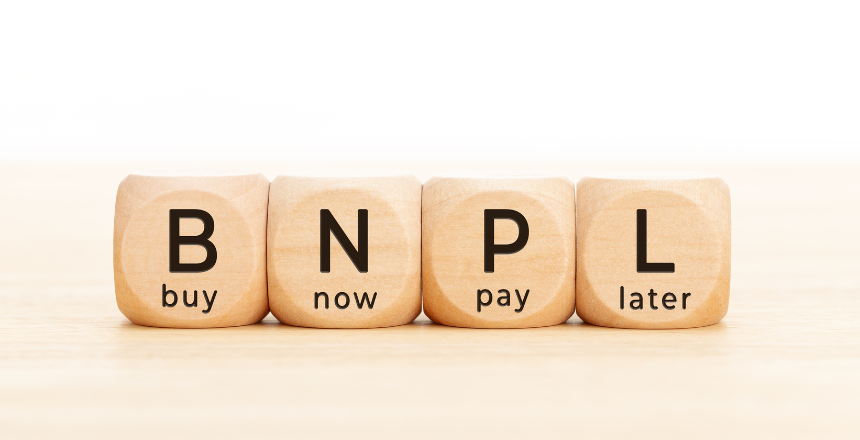
BNPL services let you buy what you want now and pay for it in installments—usually with little to no interest if you make your payments on time. Instead of charging everything to a credit card, you can break your total into smaller chunks, often spread over weeks or months. Popular BNPL apps like Klarna, Afterpay, and Affirm have made this option available at checkout for everything from fashion and electronics to travel and home goods. It sounds convenient, but the devil is in the details. Some services charge late fees, while others may hit you with high interest rates if you miss a payment.
The Pros And Cons Of Buy Now, Pay Later
Like any financial tool, BNPL has its perks and pitfalls.
Pros:
- No credit check (sometimes) – Unlike credit cards, some BNPL providers don’t require a credit check, so it’s accessible to more shoppers.
- Easier budgeting – You don’t have to pay the full price upfront, making large purchases more affordable.
- Interest-free options – If you pay on time, you might avoid interest fees altogether.
Cons:
- Hidden fees – Some BNPL services sneak in late fees or penalties for missed payments.
- Debt risk – It’s easy to overspend when you don’t feel the immediate impact of your purchase.
- Credit impact – Some providers report missed payments to credit bureaus, which could lower your credit score.
If you’re using BNPL as a tool to help manage expenses responsibly, it can be a game-changer. But if you’re relying on it for everyday purchases, it might be time to reconsider your spending habits.
BNPL vs. Credit Cards: Which One Is Better?
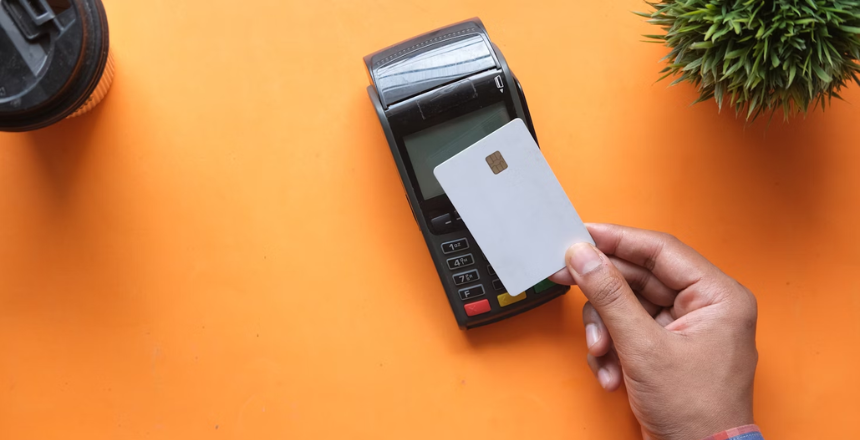
So, should you stick with your trusty credit card or switch to BNPL? It depends on your financial habits.
- BNPL is better if you want to avoid high interest rates and prefer short-term, fixed installment plans.
- Credit cards are better if you need flexibility in your payments, want to earn rewards, or build your credit score.
For example, retailers like Best Buy offer Buy Now, Pay Later options at checkout, making it easier to afford big-ticket items like laptops, gaming consoles, or home appliances. Instead of paying upfront or relying on a credit card, you can spread out the cost over several months—just be sure to check for any interest or fees before committing.
How To Avoid BNPL Debt Traps
Using BNPL responsibly is key to making it work in your favor. Here are some tips to keep your finances in check:
- Only use BNPL for planned purchases – Don’t fall into the trap of impulse buying just because you can split the payments.
- Read the fine print – Check for late fees, interest rates, and repayment terms before you commit.
- Set reminders for payments – Missing a due date can lead to extra fees or even impact your credit score.
- Stick to one BNPL provider – Juggling multiple accounts can get confusing and make it easier to lose track of what you owe.
- Treat BNPL like a credit card – If you wouldn’t buy it with a credit card, ask yourself if it’s really worth it.
Is Buy Now, Pay Later Worth It?
BNPL can be a great tool for managing cash flow, but it’s not free money. If you’re disciplined about your spending and pay on time, it can work in your favor. But if you’re not careful, those “easy” payments can pile up and become overwhelming.
The bottom line? Use BNPL wisely. If it helps you afford a necessary purchase without the burden of high interest, go for it. But if it tempts you to spend beyond your means, it might be best to steer clear.